



Article
Explore the Normandy D-Day Beaches by Car with the D-Day Audio Guide
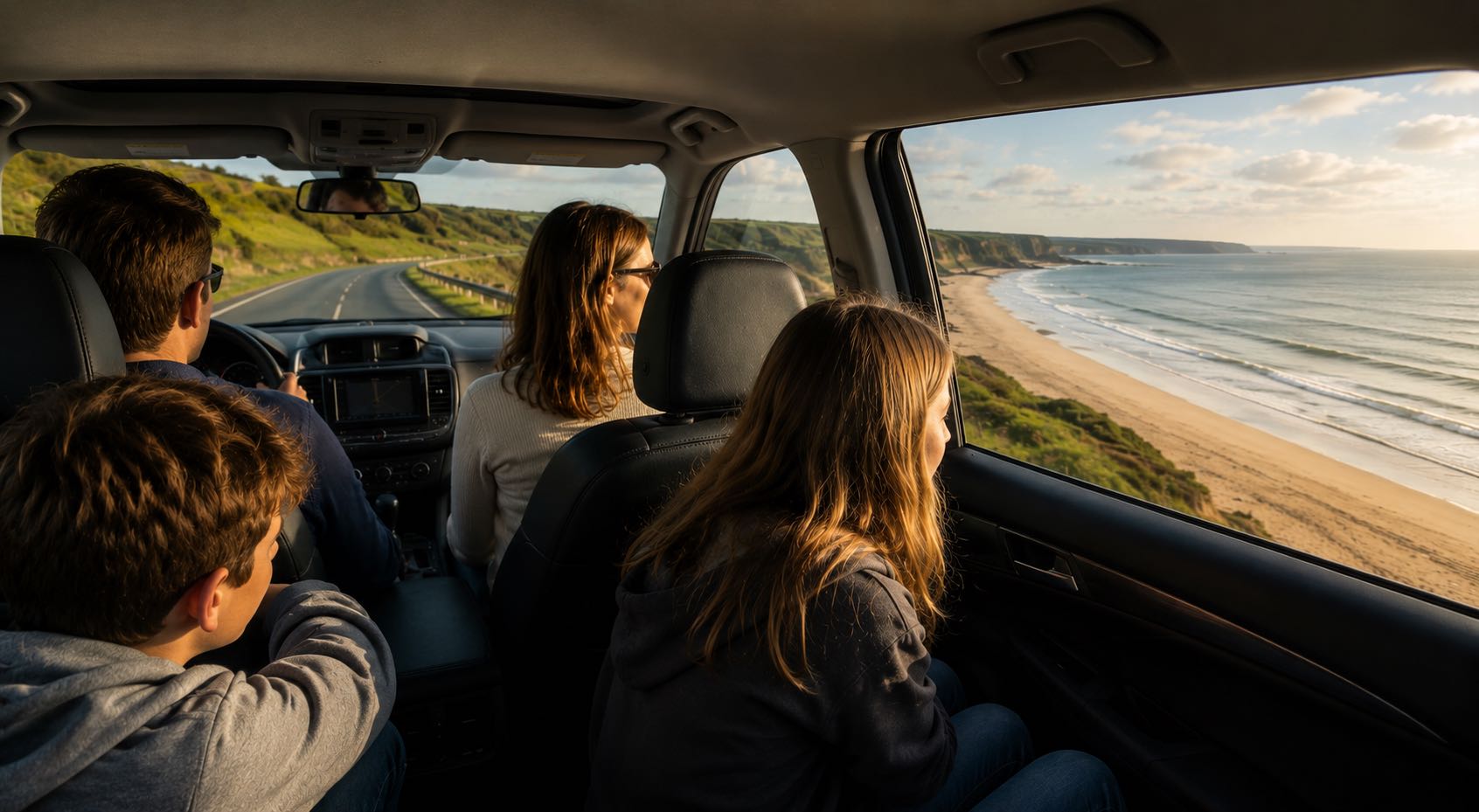
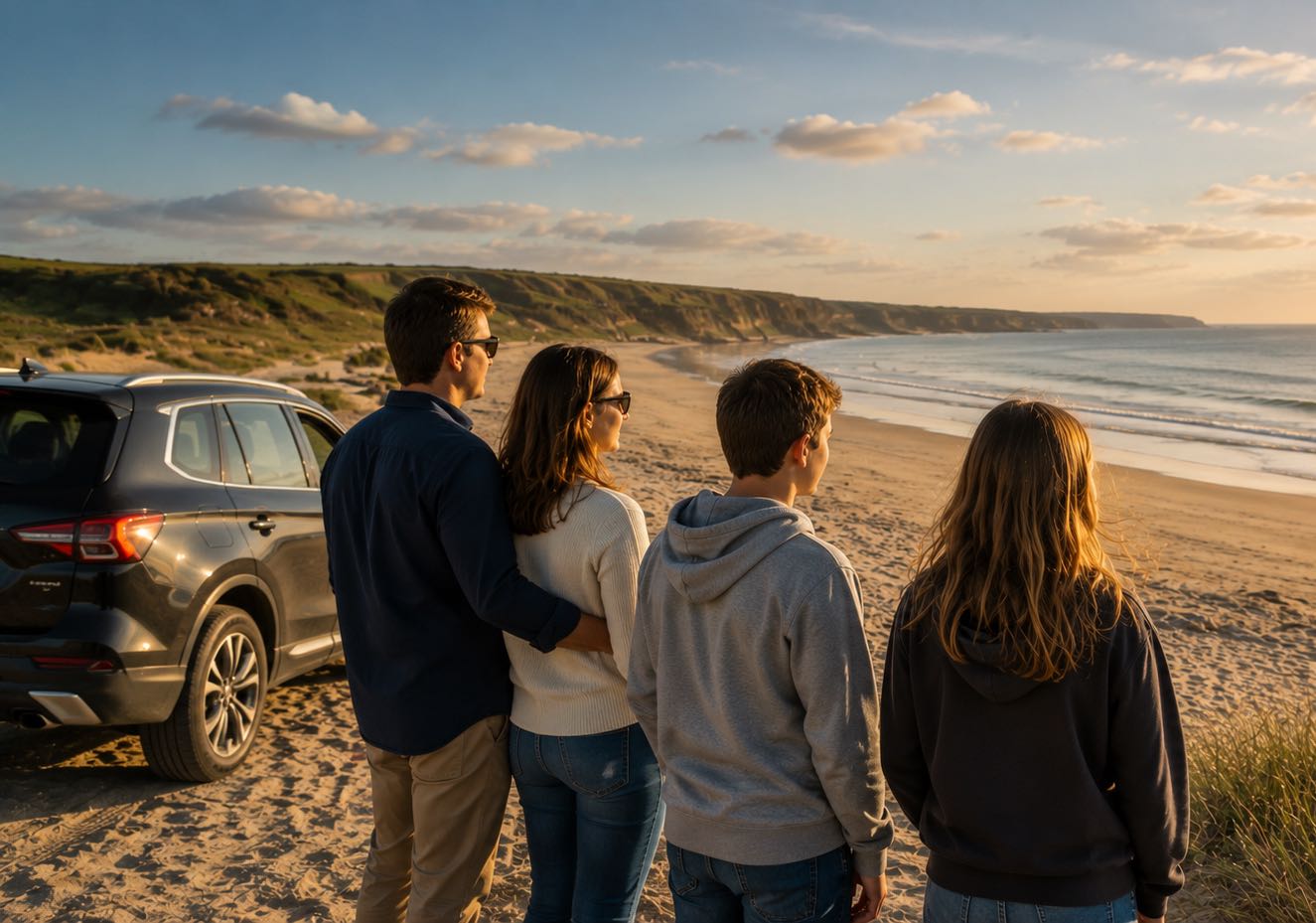 A Normandy self drive tour is one of the best ways to explore the region’s historic coastline, peaceful countryside, medieval towns and world-famous D-Day beaches at your own pace. With your own car, you can move easily between the key Second World War sites, coastal villages, museums, memorials and scenic viewpoints without being tied to a fixed group schedule.
To make the journey even easier, our D-Day Audio Guide is designed specifically for visitors exploring Normandy by car. It includes all the main D-Day sites, with clear commentary to guide you while driving between locations and while walking around the sites themselves. It is like having a private guide with you in the car, helping you understand what happened, where it happened and why each place matters.
The app also includes Google Maps and Apple Maps turn-by-turn directions, available with a data connection, so you can follow the route easily between the beaches, cemeteries, museums and memorials. The rest of the app works offline, making it a practical companion for touring Normandy even when mobile signal is limited.
Why Choose a Self Drive Tour of Normandy?
A self drive tour gives you complete flexibility. You can spend longer at the places that matter most to you, take quieter country roads, stop for lunch in a small village or add extra time at museums and memorials.
Normandy’s D-Day landing beaches stretch across a wide section of coastline, so travelling by car is especially practical. From Utah Beach in the west to Sword Beach in the east, a self drive itinerary allows you to link the major sites together in a logical and comfortable way.
With the D-Day Audio Guide, you do not have to rely only on guidebooks, road signs or quick online searches. The app helps bring the route to life with location-based information, historical context and guidance for the main sites across the Normandy battlefield area.
A Normandy self drive tour is ideal for:
- Families interested in history and culture
- Couples looking for a scenic touring holiday
- Veterans’ relatives tracing wartime stories
- First-time visitors to northern France
- Travellers who prefer independent, flexible travel
- Visitors who want expert guidance without joining a group tour
Explore Normandy with the D-Day Audio Guide
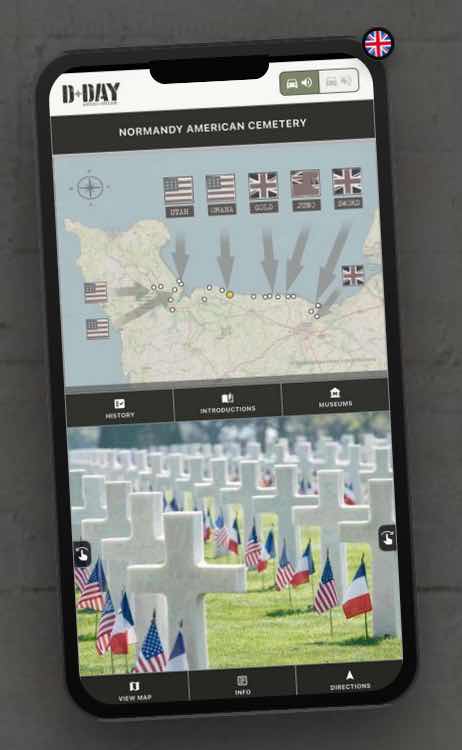 The D-Day Audio Guide is created for independent travellers who want to understand the Normandy landings while keeping the freedom of a self drive itinerary. Instead of following a fixed coach tour or trying to piece together information as you go, the app gives you structured guidance throughout your journey.
It includes the main D-Day beaches, battlefield sites, cemeteries, memorials and museums, helping you plan your days and understand each location in context.
Key features include:
All the main D-Day sites included
Follow the story of D-Day across the beaches and inland locations, including the major American, British and Canadian sectors.
Google and Apple Maps directions
Use turn-by-turn directions through Google Maps or Apple Maps when you have a data connection, making it easier to drive between each stop.
Offline access for the guide content
The main app content works offline, so you can listen to the commentary and access site information even when mobile coverage is unreliable.
Private guide experience
The audio guide is designed to feel like having a knowledgeable guide with you in the car and at the sites, giving you context, stories and practical orientation as you travel.
Flexible touring
You can explore at your own pace, pause for longer visits, skip stops, return to places later or build the guide into a wider Normandy holiday.
Discover the D-Day Beaches by Car
The D-Day beaches are often the centrepiece of a Normandy self drive tour. Travelling by car makes it easier to visit the five landing beaches, nearby cemeteries, museums and battlefield sites in your own time.
The D-Day Audio Guide helps connect these sites together, so your journey feels less like a list of separate stops and more like a complete route through the events of 6 June 1944 and the Battle of Normandy.
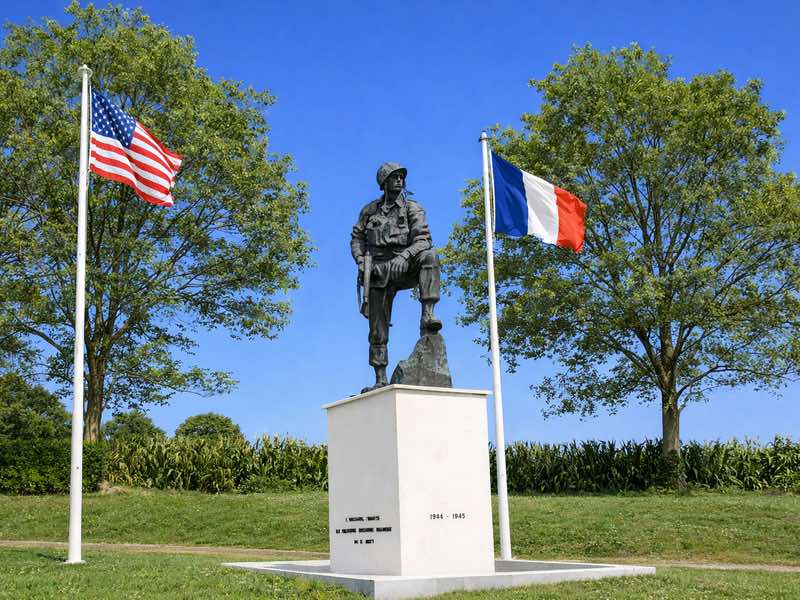
Key D-Day sites to include on your route include:
Utah Beach
Located on the western edge of the landing area, Utah Beach is known for its powerful museum and wide coastal views. It is a good starting point for exploring the American sector.
Omaha Beach
One of the most significant and moving locations in Normandy, Omaha Beach is closely associated with the heavy losses suffered during the landings. The nearby Normandy American Cemetery is an essential stop.
Gold Beach
Gold Beach offers a strong connection to British forces and is close to the remains of the artificial Mulberry Harbour at Arromanches-les-Bains.
Juno Beach
Juno Beach is closely linked with Canadian forces and features the excellent Juno Beach Centre, which provides context on Canada’s role during the Normandy campaign.
Sword Beach
The easternmost landing beach, Sword Beach is associated with British and Allied operations and can be combined with visits to Pegasus Bridge and Ouistreham.
Suggested Normandy Self Drive Tour Itinerary
A well-planned Normandy self drive tour usually works best over several days, giving you enough time to appreciate both the historic sites and the character of the region. With the D-Day Audio Guide, you can use the app to move between the main sites while listening to commentary in the car and at key stops.
Day 1: Arrive in Normandy
Begin your journey in Caen, Bayeux or nearby coastal towns. Caen is a practical arrival point with strong transport links, while Bayeux offers historic charm and easy access to the D-Day beaches.
Spend your first evening exploring the local streets, enjoying Norman cuisine and preparing for your route along the coast.
Day 2: Bayeux and the American Sector
Start in Bayeux, home to the famous Bayeux Tapestry and a beautiful medieval centre. From there, drive towards Omaha Beach, the Normandy American Cemetery and Pointe du Hoc.
This section of the route is one of the most powerful parts of any Normandy self drive tour, offering a moving combination of battlefield landscapes, memorials and coastal scenery. The audio guide helps explain the significance of the beaches, cliffs, defences and memorials as you travel through the area.
Day 3: Utah Beach and Sainte-Mère-Église
Head west towards Utah Beach and Sainte-Mère-Église, one of the most famous airborne landing sites of the Normandy campaign. The town and surrounding countryside provide important insight into the events that took place inland from the beaches.
Use the app to guide your route and add context as you visit the beach, museums, memorials and airborne-related sites.
Day 4: Arromanches, Gold Beach, Juno Beach and Sword Beach
Drive east towards Arromanches-les-Bains to see the remains of the Mulberry Harbour, then continue towards Gold Beach and Juno Beach. This part of the itinerary is ideal for understanding the British and Canadian contribution to D-Day.
Complete your D-Day beaches route with Sword Beach and Pegasus Bridge before returning towards Caen. The Caen Memorial Museum is also worth visiting for a broader view of the Second World War and the Battle of Normandy.
The coastal roads, museums and seaside towns make this a varied and rewarding day of touring. With the audio guide, you can connect the harbour, landing beaches and memorials into one easy-to-follow journey.
More Places to Visit on a Normandy Self Drive Holiday
Although the D-Day beaches are a major highlight, Normandy has much more to offer. A self drive tour gives you the freedom to include cultural, scenic and gastronomic stops along the way.
Popular additions include:
Mont Saint-Michel
One of France’s most iconic landmarks, Mont Saint-Michel can be added before or after your Normandy coast route.
Honfleur
A picturesque harbour town known for its colourful waterfront, art history and excellent restaurants.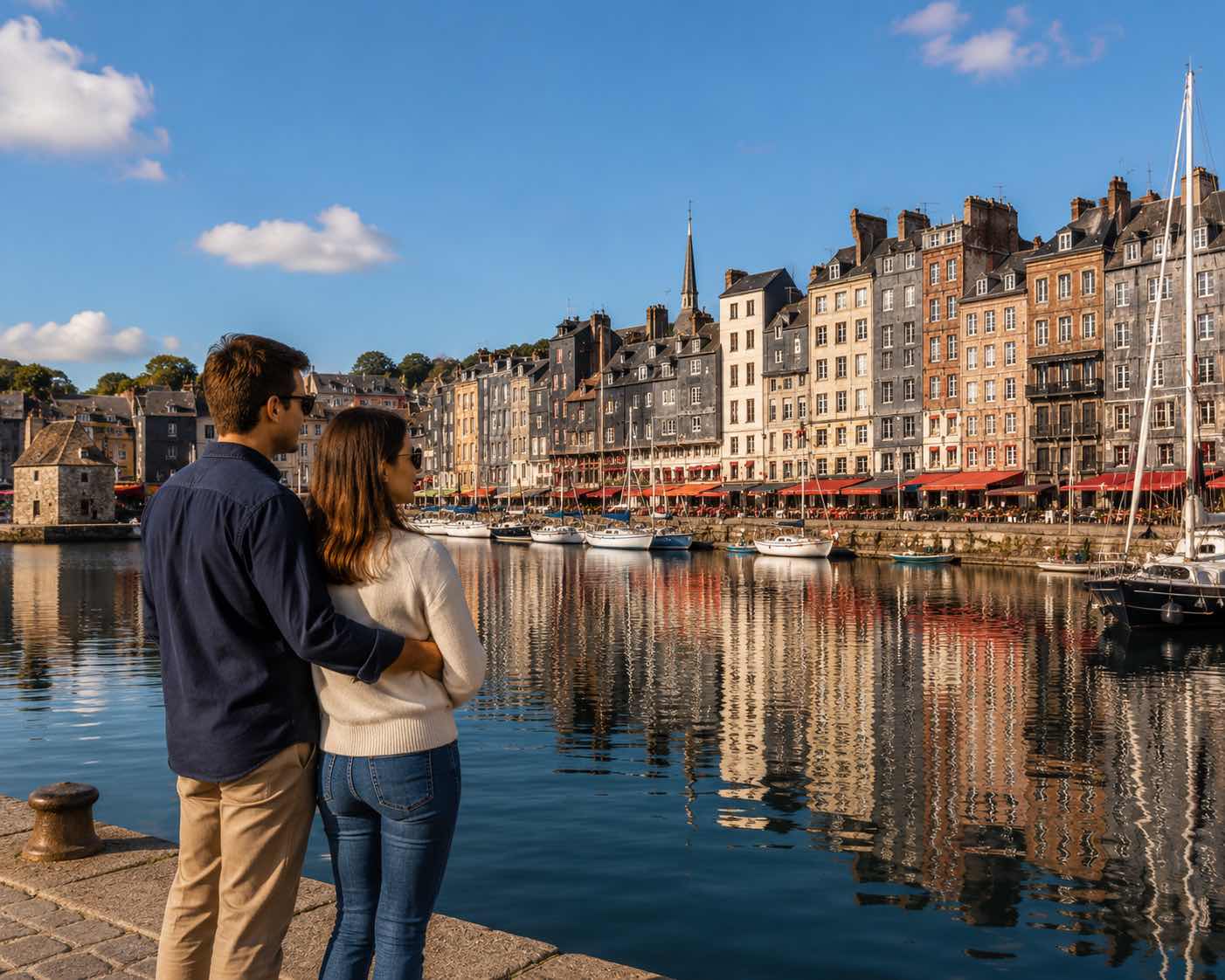
Rouen
A historic city with impressive Gothic architecture, medieval streets and strong links to Joan of Arc.
Deauville and Trouville
Elegant seaside towns with beaches, markets and classic Norman architecture.
Bayeux
A charming base for D-Day touring, with historic streets, restaurants and the famous tapestry.
Driving in Normandy
Driving in Normandy is generally straightforward, especially outside larger towns and cities. The region has a good road network, with a mix of motorways, main roads and quiet rural lanes.
A self drive tour allows you to avoid rushing between sites. Many of the most meaningful stops are located in smaller towns, rural areas or along the coast, where having a car makes the experience much easier.
The D-Day Audio Guide makes driving between sites simpler by linking the main locations with Google Maps and Apple Maps turn-by-turn directions when you have a data connection. Once you are at the sites, the guide content can be used offline, so you can continue listening and exploring without relying on constant mobile signal.
Before travelling, it is worth planning daily distances carefully. While the region is easy to explore by car, museum visits, memorials and coastal walks can take longer than expected.
Best Time for a Normandy Self Drive Tour
Normandy can be visited throughout much of the year, but spring, early summer and autumn are especially popular for self drive touring. These seasons often offer pleasant driving conditions, fewer crowds than peak summer and comfortable weather for walking around historic sites.
June is a particularly meaningful time to visit because of the D-Day anniversary commemorations, although accommodation can be in high demand. Summer offers warmer weather and longer days, while autumn brings quieter roads and a more relaxed pace.
Plan Your Normandy Self Drive Tour
A Normandy self drive tour is the perfect way to experience the region’s history, landscapes and culture with complete freedom. From the D-Day beaches and wartime memorials to medieval towns, harbour villages and peaceful countryside, Normandy rewards travellers who take time to explore by road.
With the D-Day Audio Guide, you can follow the main D-Day sites with expert commentary, offline guide content and easy map directions through Google Maps or Apple Maps when connected to data. It gives you the freedom of a self drive tour with the insight of a private guide beside you.
Plan your route, download the app before you travel and discover the D-Day beaches of Normandy by car at your own pace.