



Article
Self Guided Tour of Pegasus Bridge Normandy D-Day Audio Guide App
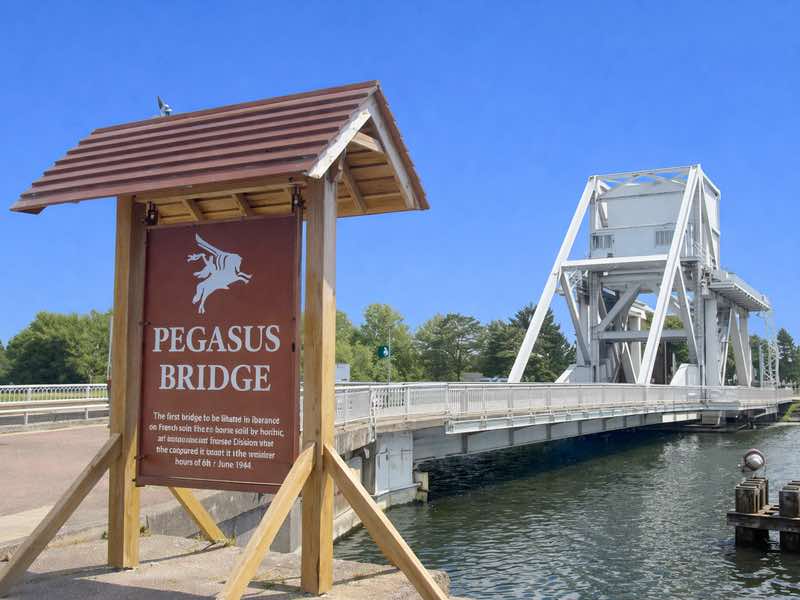
 Pegasus Bridge is one of the most iconic locations connected to the D-Day landings. Situated near Bénouville in Normandy, this historic bridge was the scene of a daring airborne operation in the opening minutes of 6 June 1944.
With the Normandy D-Day Audio Guide app, you can explore Pegasus Bridge at your own pace while listening to the story of the men who captured it, the importance of the mission, and the lasting legacy of one of the first Allied successes of D-Day.
The Story of Pegasus Bridge
In the early hours of D-Day, British glider troops from the 6th Airborne Division landed close to the bridges over the Caen Canal and the River Orne. Their mission was clear: capture the bridges intact and prevent German forces from using them to counterattack the Allied landings on Sword Beach.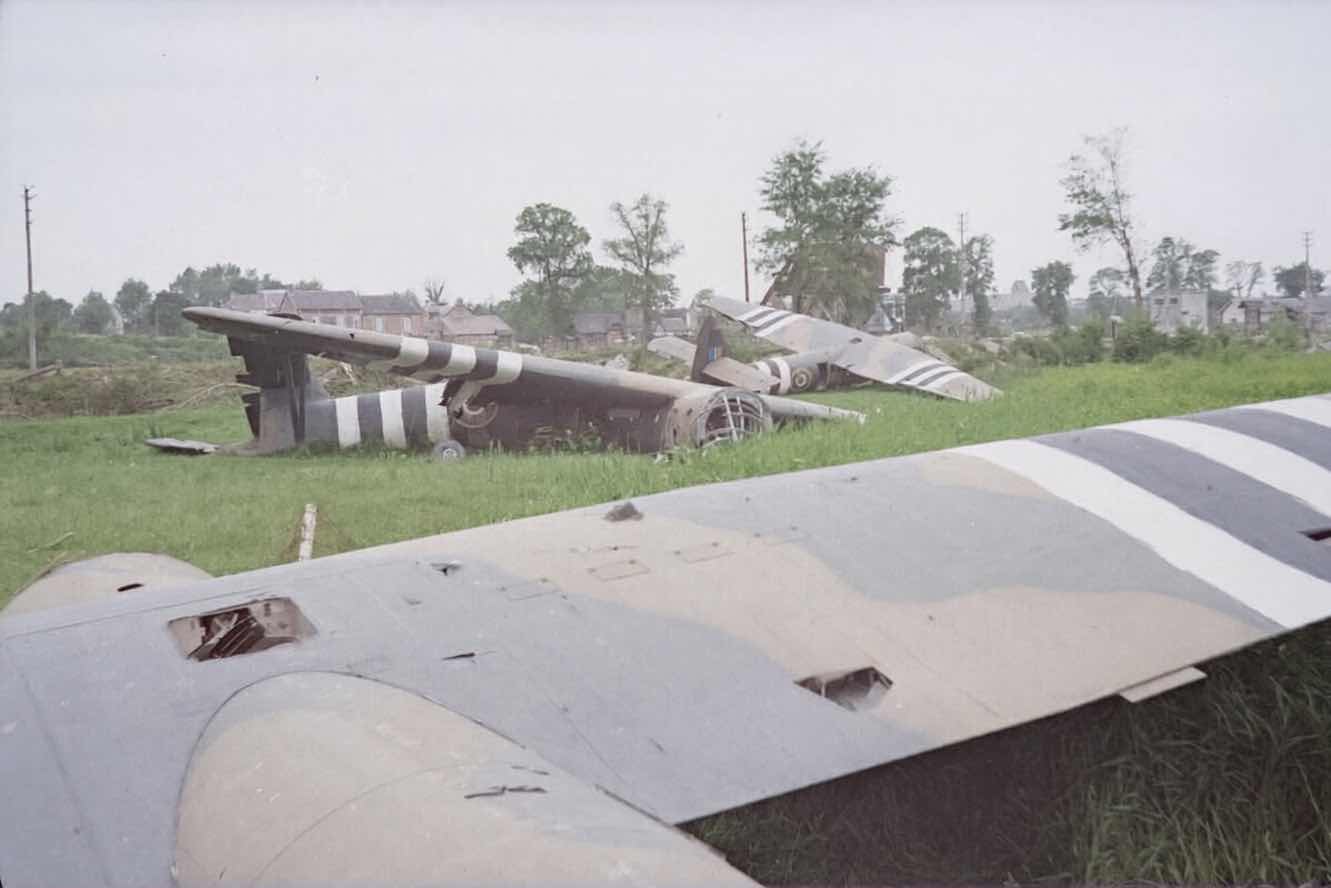
Led by Major John Howard, the assault force landed with remarkable accuracy. Within minutes, they had stormed the bridge and secured the area. The operation became one of the most celebrated airborne actions of the Second World War.
The bridge later became known as Pegasus Bridge, named after the winged horse emblem of the British airborne forces.
Why Pegasus Bridge Was Important
Pegasus Bridge played a vital role in the success of the Normandy landings. Holding the bridge helped protect the eastern flank of the invasion area and allowed Allied troops to move inland after landing on the beaches.
The capture of the bridge also helped prevent German armoured units from launching an immediate counterattack against Sword Beach. For the men landing by sea later that morning, the success of the airborne troops was crucial.
Today, Pegasus Bridge stands as a powerful reminder of courage, planning, and precision under extreme pressure.
Visit Pegasus Bridge With the D-Day Audio Guide App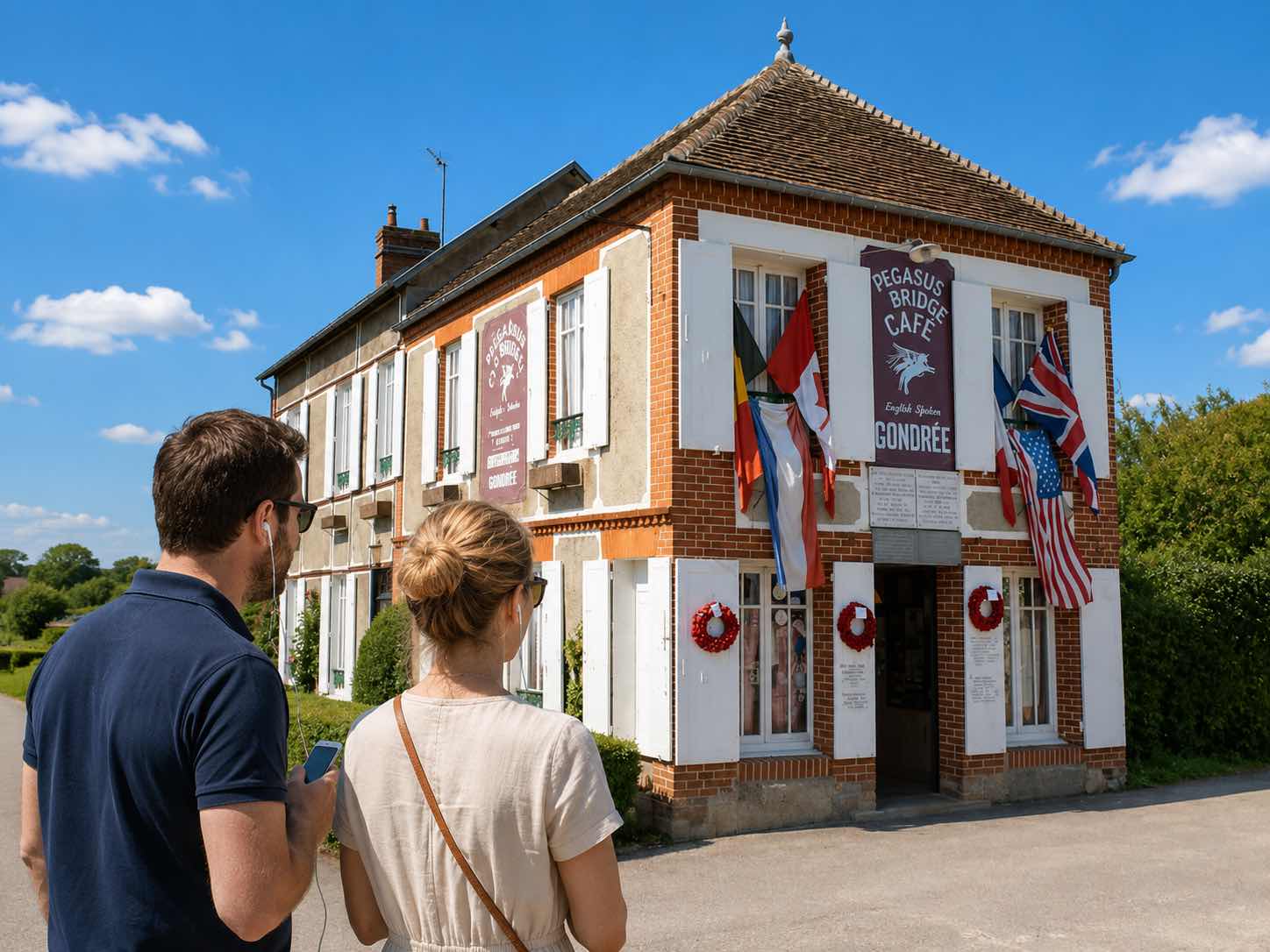
The D-Day Audio Guide App brings the history of Pegasus Bridge to life through an easy-to-follow audio guide. As you visit the area, you can listen to the events unfold and understand why this location became such an important part of D-Day history.
The audio guide is ideal for visitors who want more than a quick stop. As you explore Pegasus Bridge, the D-Day App uses GPS to trigger stories at the right locations, helping you connect the landscape in front of you with the people, decisions, and actions that shaped the battle.
People Featured in the Pegasus Bridge Audio Guide
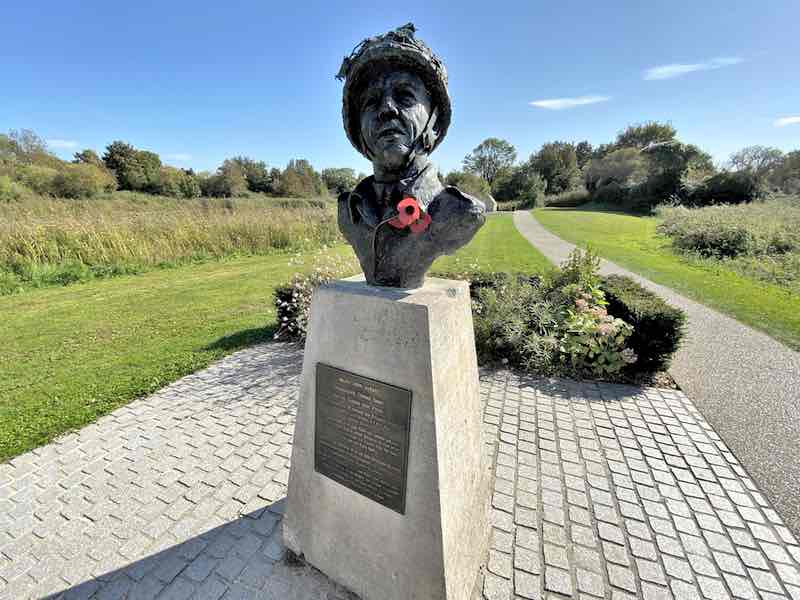 The story of Pegasus Bridge is not only about strategy and military planning. It is also about the people who carried out the mission in the darkness of the early hours of D-Day.
In the D-Day App, visitors can learn more about key figures connected to the capture and defence of Pegasus Bridge, including the soldiers who landed by glider, the officers who led them, and the men whose actions helped secure one of the first Allied victories of 6 June 1944.
The guide also introduces the wider group of airborne troops, glider pilots, engineers, and reinforcements who played a part in the operation. Their courage helped protect the eastern flank of the Normandy landings and supported the troops coming ashore at Sword Beach later that morning.
By focusing on the people behind the operation, the Pegasus Bridge audio guide helps visitors understand the human side of D-Day — the training, pressure, bravery, and sacrifice behind one of Normandy’s most famous historic sites.
Below are just some of the people featured in the app.
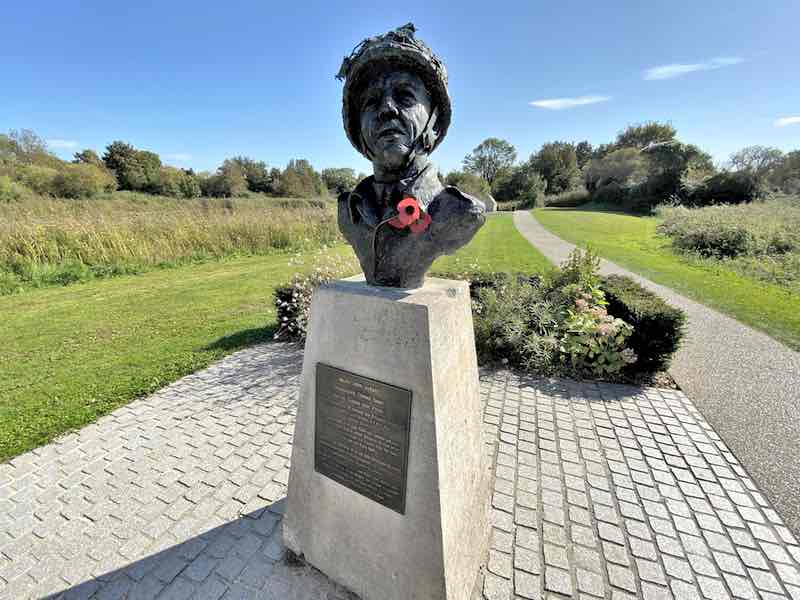
Major John Howard
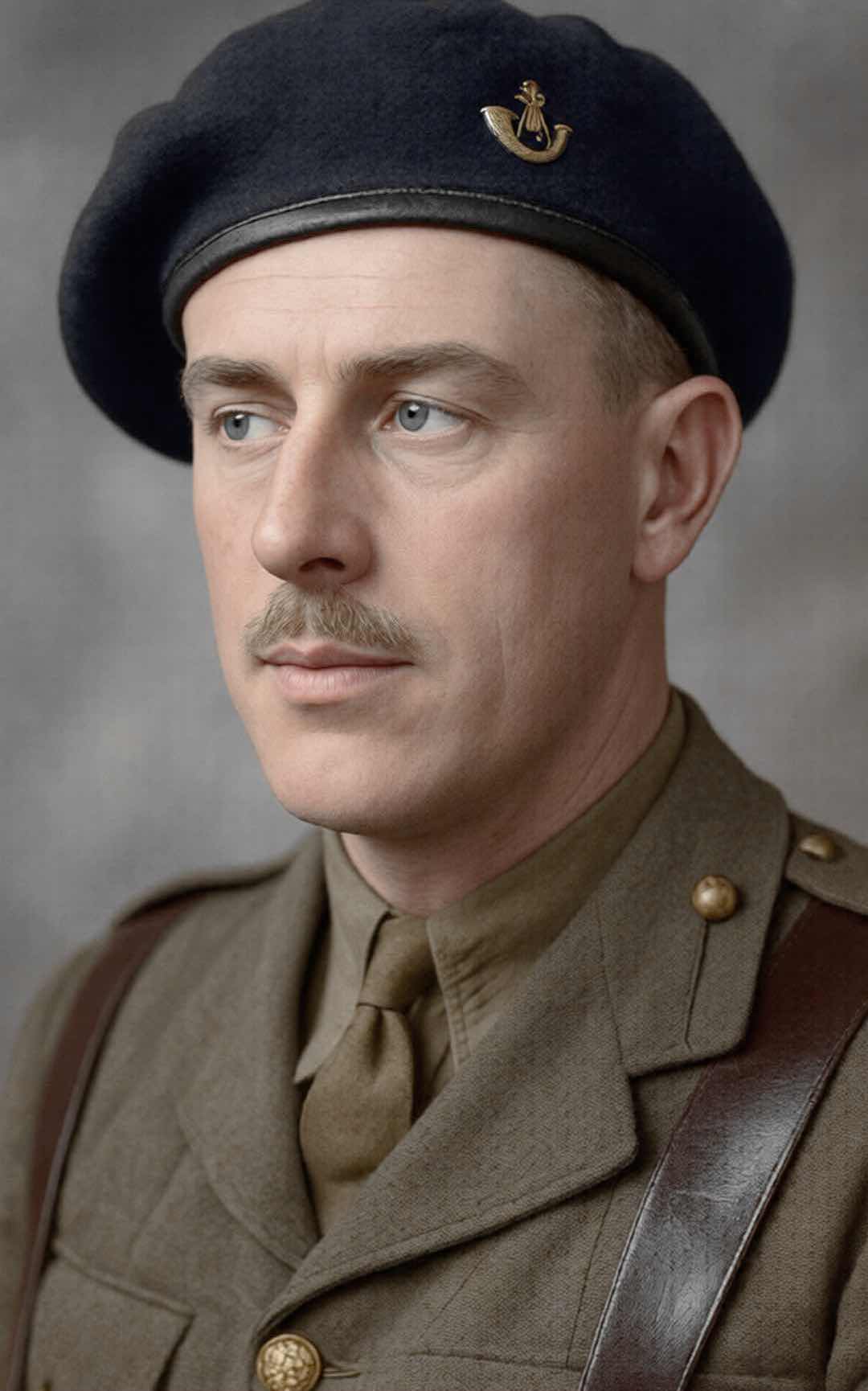
John Howard was a British Army officer whose leadership of a glider-borne coup-de-main secured one of the most critical objectives of D-Day within minutes of the invasion’s opening.
Born in London in 1912 to a working-class family, he enlisted in the army as a young man and served with the King’s Shropshire Light Infantry before leaving the service in 1938 to join the Oxford City Police. Recalled at the outbreak of war, he earned a commission in the 2nd Battalion, Oxfordshire and Buckinghamshire Light Infantry and volunteered for airborne service, assuming command of D Company in May 1942.
In spring 1944 his company was selected for Operation “Deadstick,” a daring plan to seize the Caen Canal and Orne River bridges intact. Shortly after midnight on 6 June 1944, six Horsa gliders delivered 181 men under Howard’s command to land within yards of the bridges. After a brief but violent fight, both crossings were captured intact, and Howard’s men beat off counterattacks until relieved later that morning by commandos advancing from Sword Beach.
Martin Charles Thornton
Martin Charles “Wagger” Thornton was a platoon sergeant in the Oxfordshire and Buckinghamshire Light Infantry whose calm initiative and aggressive leadership during the first hours of D-Day became part of the enduring legend of the bridges. Landing with the glider-borne coup-de-main force shortly after midnight on 6 June 1944, Thornton immediately began solving problems under fire, acting on his own judgment in the confused, close-quarter fighting that followed the landings.
In the opening moments at the Orne River bridge, Thornton used a 2-inch mortar to drop rapid bombs onto a German machine-gun position on the far bank, causing the crew to abandon their post and allowing the assault troops to dash across. Later in the early morning, he moved to the road junction west of the Caen Canal bridge, where he took charge of the only serviceable PIAT available. Waiting at close range—around thirty yards—he ambushed an approaching armored vehicle, his single shot triggering a violent explosion that forced the remaining vehicles to turn back. The incident became one of the most frequently retold micro-actions of the night, emblematic of how individual initiative helped secure the bridgehead.
What You Will Discover
Using the D-Day Audio Guide at Pegasus Bridge, you can learn about:
The glider landings near the bridge, the role of Major John Howard and his men, the importance of the Caen Canal and River Orne crossings, and how the capture of Pegasus Bridge supported the wider D-Day invasion.
You will also gain a clearer understanding of how this small area became one of the most famous sites in Normandy.
A Must-Visit D-Day Location in Normandy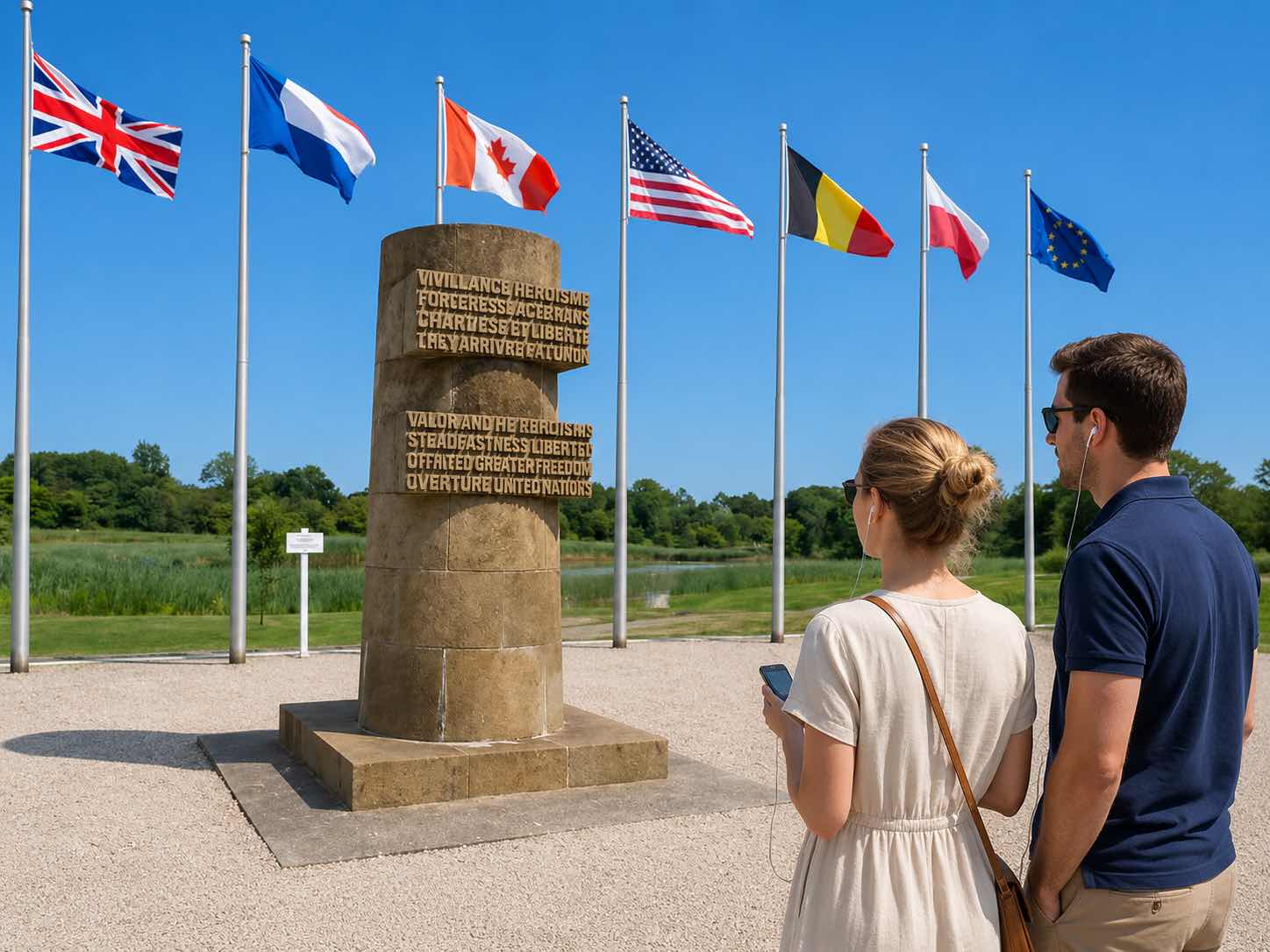
Pegasus Bridge is a key stop for anyone following the story of D-Day. Whether you are visiting Normandy for the first time or returning to explore the battlefield in more detail, this site offers a powerful insight into the airborne operations that began the liberation of Western Europe.
Download the D-Day App and use the Pegasus Bridge audio guide to experience this historic location with clear, engaging commentary as you walk through one of the most significant places of 6 June 1944.